Nutrient Preservation
How to Harvest and Store Your Homegrown Produce
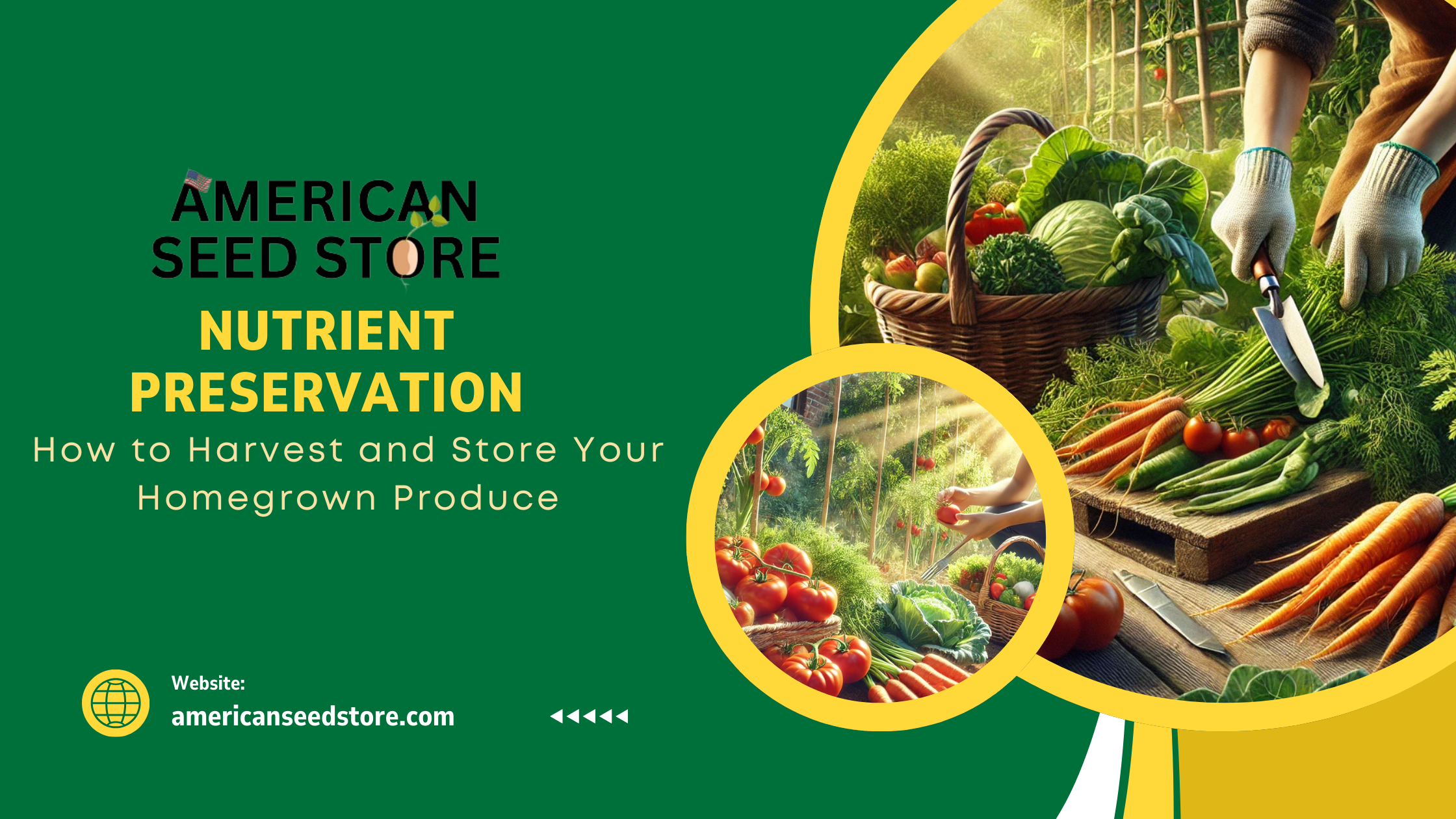
There’s nothing quite like harvesting fresh produce from your own garden. However, the way you handle your crops post-harvest can significantly impact their nutrient content, taste, and longevity. Proper harvesting and storage techniques are essential to getting the most out of your homegrown bounty. This guide provides practical tips to help you preserve the nutrients in your produce.
1. Harvesting at the Perfect Time for Optimal Nutrition

Timing your harvest correctly is crucial to retaining the nutrients and flavor of your crops. Picking fruits or vegetables too early or too late can result in diminished taste and nutrient levels. Learning the specific signs of readiness for each type of produce is key to successful harvesting.
For example, tomatoes should be fully colored and firm to the touch when harvested. Root vegetables like beets are ready once they reach 2-3 inches in diameter. Start with our Beetroot Seeds for a nutrient-rich crop that’s easy to grow.
2. Harvesting Techniques for Better Nutrient Retention

Using the right harvesting techniques can prevent damage to your produce and help maintain its nutritional value. For leafy greens like spinach and lettuce, it’s best to harvest them in the early morning when they have the highest moisture content. Use sharp shears or a knife rather than pulling by hand to avoid damaging the plant and the produce.
For root vegetables like carrots or beets, carefully loosen the soil around them before pulling to prevent unnecessary damage. Handle your crops with care and store them in breathable containers like Breathable Planter Containers to preserve their quality.
3. Proper Storage to Keep Your Produce Nutrient-Rich

After harvesting, it’s important to store your produce correctly to maintain its nutritional value. Different fruits and vegetables have different storage needs. For instance, tomatoes and stone fruits should be stored at room temperature, while root vegetables like carrots and beets do best in a cool, dark environment.
Leafy greens and herbs require refrigeration, ideally in airtight containers or wrapped in a damp cloth. Freezing or canning is a great option for long-term storage. For example, you can boil and freeze portions of beetroot to enjoy them year-round. If you’re interested in fruit trees, our Fruit Seeds Apricot Tree Seeds are an excellent choice for adding a nutrient-packed fruit option to your garden.
4. Preserving Nutrients Through Canning, Freezing, and Drying

When you have an abundant harvest, long-term storage methods like canning, freezing, and drying are essential to making the most of your crops.
Canning: Ideal for high-acid foods like tomatoes, canning can help preserve the nutritional value for up to a year.
Freezing: Freezing produce soon after harvesting helps lock in most of its nutrients. Be sure to blanch vegetables like beans and peas before freezing to maintain their color and flavor.
Drying: Drying herbs, fruits, and vegetables is an excellent way to retain their nutrients while extending shelf life. Dried tomatoes, for example, retain their robust flavor and nutritional content.
Start growing your own tomatoes with our Tomato Seeds for a versatile and nutrient-rich addition to your garden.
Conclusion: Keep Your Harvest Fresh and Nutrient-Rich
The way you harvest and store your homegrown produce can make a big difference in its quality and nutrient retention. By following these best practices, you can enjoy fresher, healthier produce throughout the year.
Ready to get the most out of your garden? Browse our full collection of gardening supplies and start preserving your homegrown produce the right way!


